
The status quo doesn’t make sense.
Think about it. A prudent architect wouldn’t design steel beam sizes and connections for the structural engineer to check later, nor design mechanical systems and then ask the MEP engineer to verify the sizing calculations. Yet somehow, we’ve normalized a process where architects draw building envelope details then ask building envelope experts to review and mark-up with corrections and recommendations.
A Better Way Forward
Modern building envelopes are complex, integrated systems which demand specialized expertise. They must manage air, vapor, and moisture while handling thermal expansion, navigating material interfaces, and meeting increasingly stringent energy codes. Each climate zone also brings its own challenges, and every project requires careful consideration of condensation risk, thermal bridging, and long-term durability.
The traditional “peer review” process often leads to back-and-forth whiplash from multiple revision cycles as consultants identify technical issues not apparent during early design. This back-and-fourth consumes valuable time and resources, can impact project schedules, and threaten compliance with performance requirements when issues are discovered late in the game.
Instead, consider treating building envelopes as the specialized systems they are.
A Better Way In-Practice
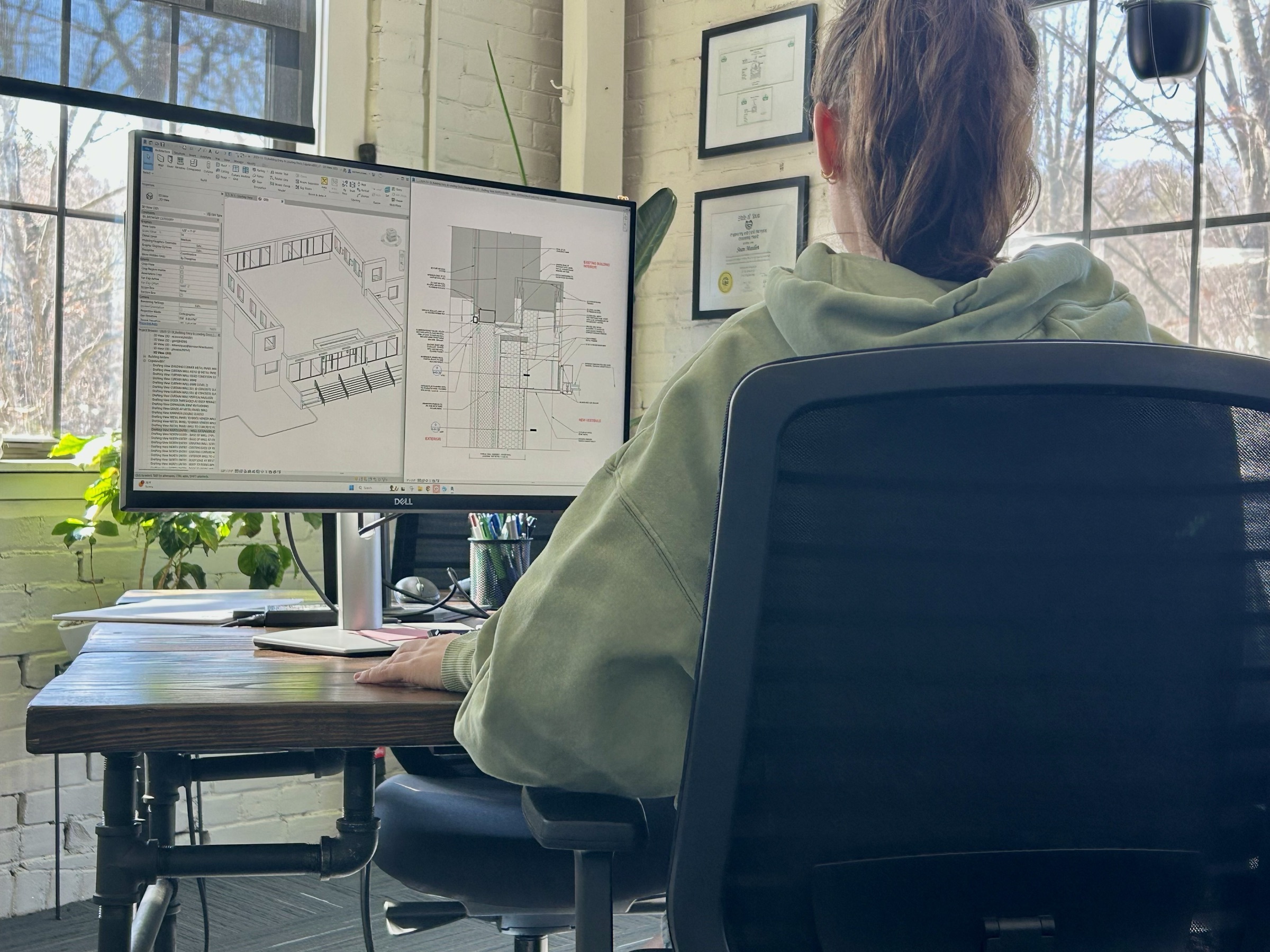
An improved process starts with a clear scope: the architect designs the building’s form and function. From there, building envelope experts can develop the necessary details working directly in the Revit file (or other preferred platform) collaboratively with the architect. This same efficiency applies to specifications. The result? The back-and-forth associated with “peer review” revision cycles is eliminated, and a comprehensive design package is developed by experts actively collaborating in real time.
This process results in: properly detailed documentation from the start, improved team collaboration and identification of issues, fewer revision cycles, reduced RFIs during construction, and better cost certainty during bidding. Most importantly, your team can focus on what they do best while others handle their expertise.
The shift to this approach doesn’t have to be difficult.
- Budget for building envelope, or other specialties, design assist as a complete service rather than just peer review.
- Engage specialized experts such as building envelope consultants early in design development.
- Clearly communicate your design vision, goals, and project constraints.
- Focus your team’s time on coordination, integration, and project vision rather than nuanced technical detail development.
Time to Change
The question isn’t whether to make this transition – it’s when. As performance requirements become more stringent and building systems more complex, the traditional approach of architect-drawn details with consultant review becomes increasingly inefficient. It’s time to recognize that there’s a better way to deliver the high-performance building envelopes that our projects demand.
Talk to a building envelope consultant
We help owners, design teams, and attorneys think through roofing, commissioning, and litigation questions. Tell us about your project and we’ll point you in the right direction.
Schedule a consultation