
As building envelope consultants, we get this question a lot: “Is ZIP sheathing bad?”
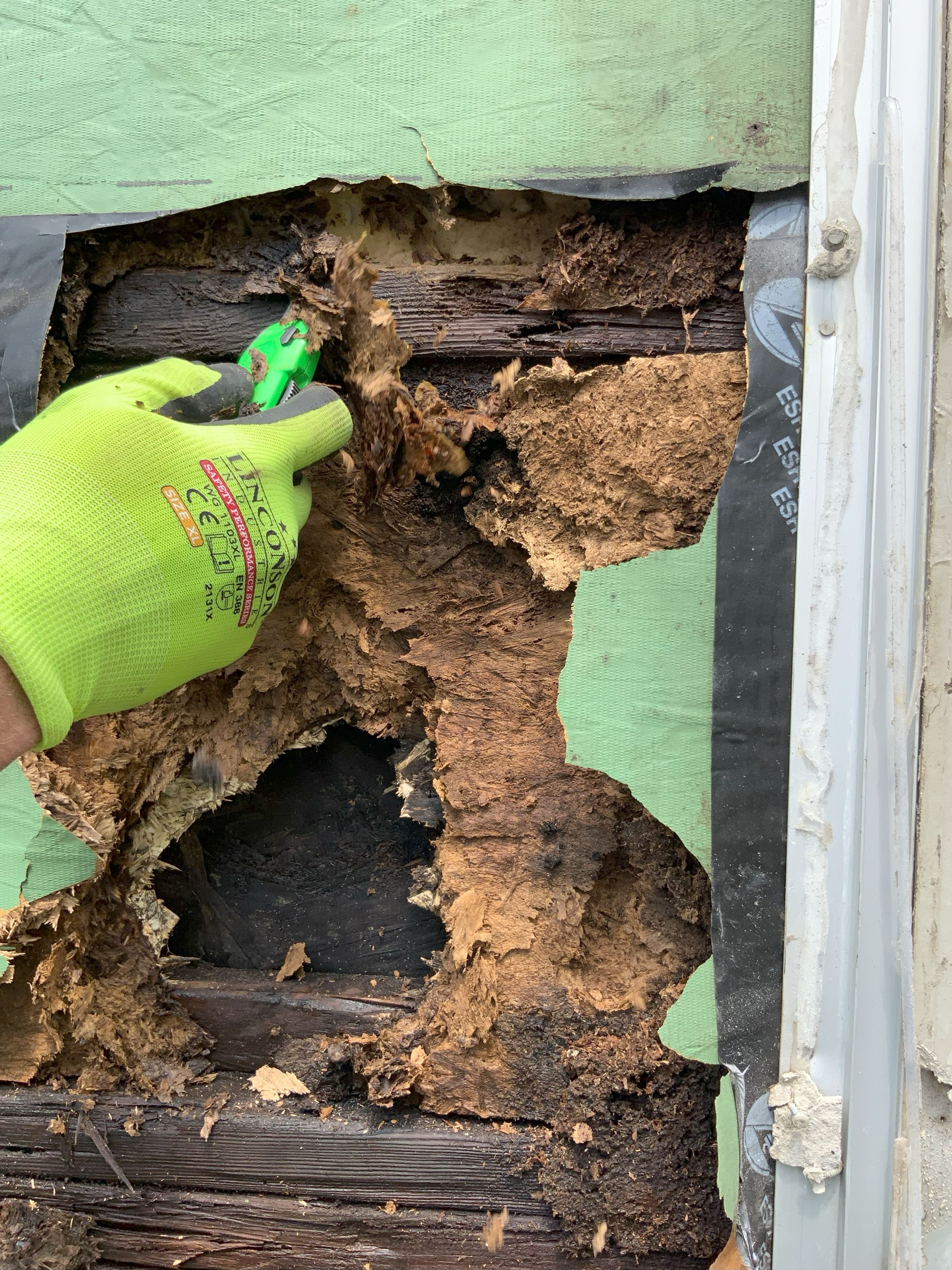
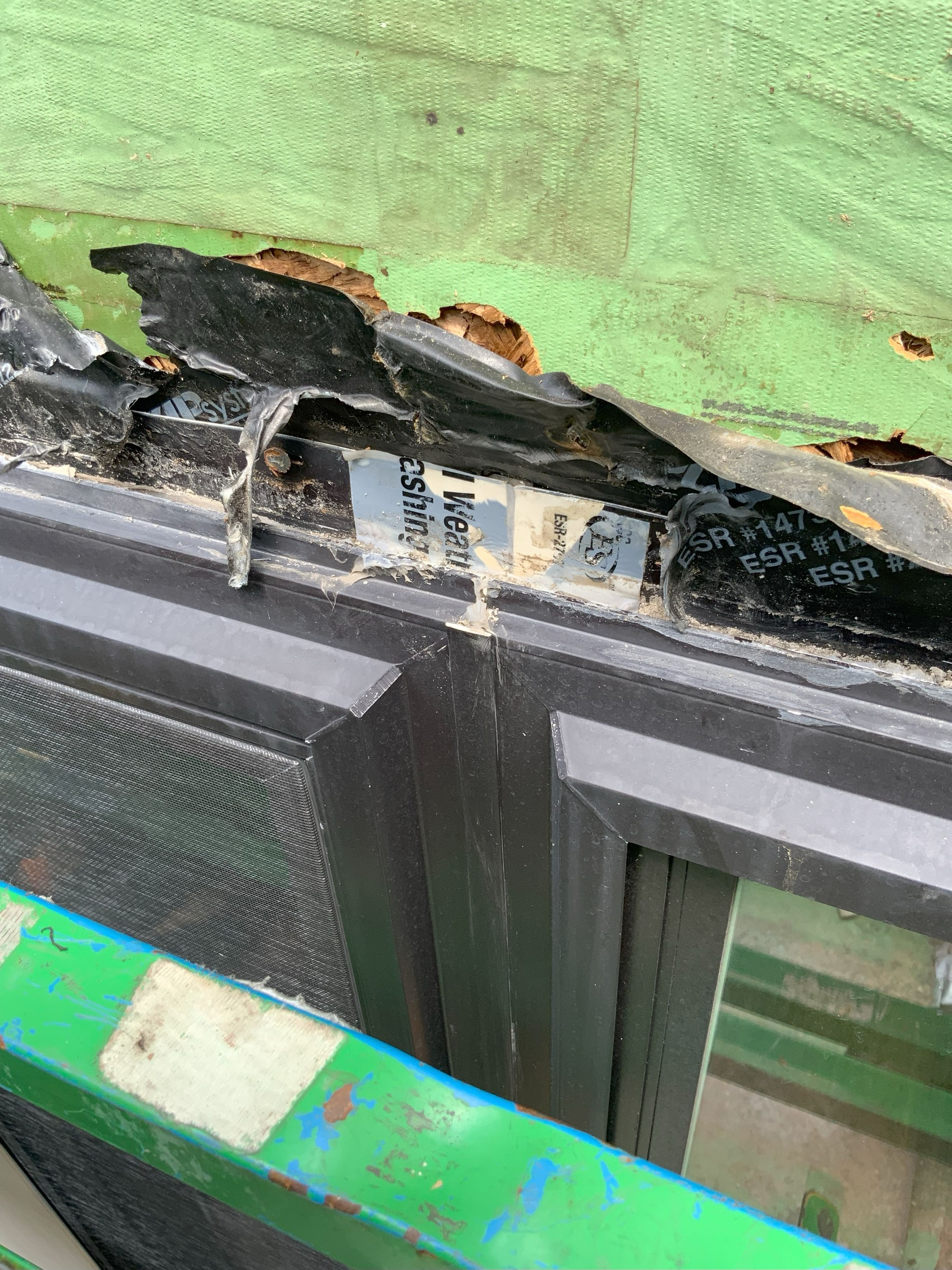
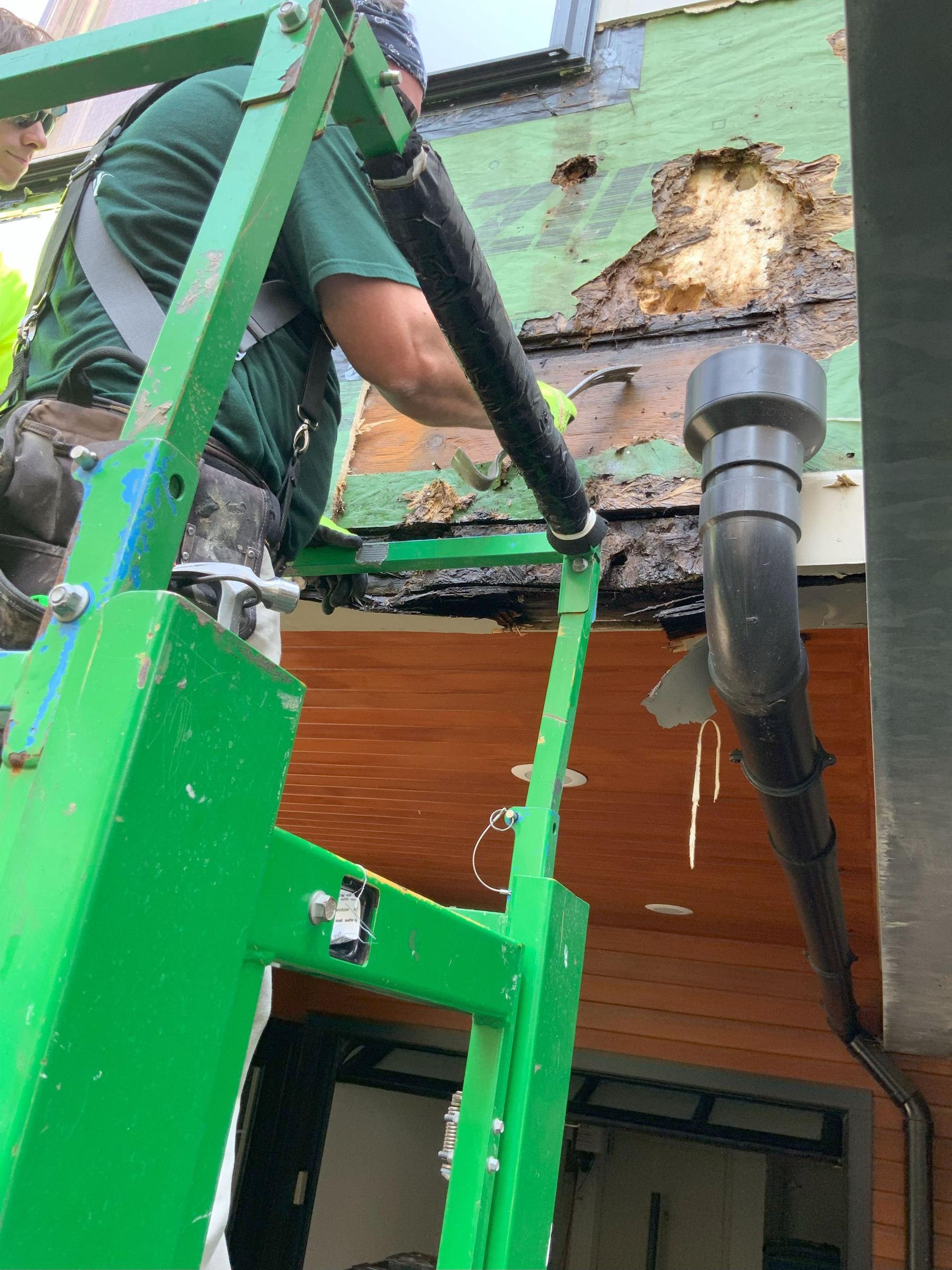
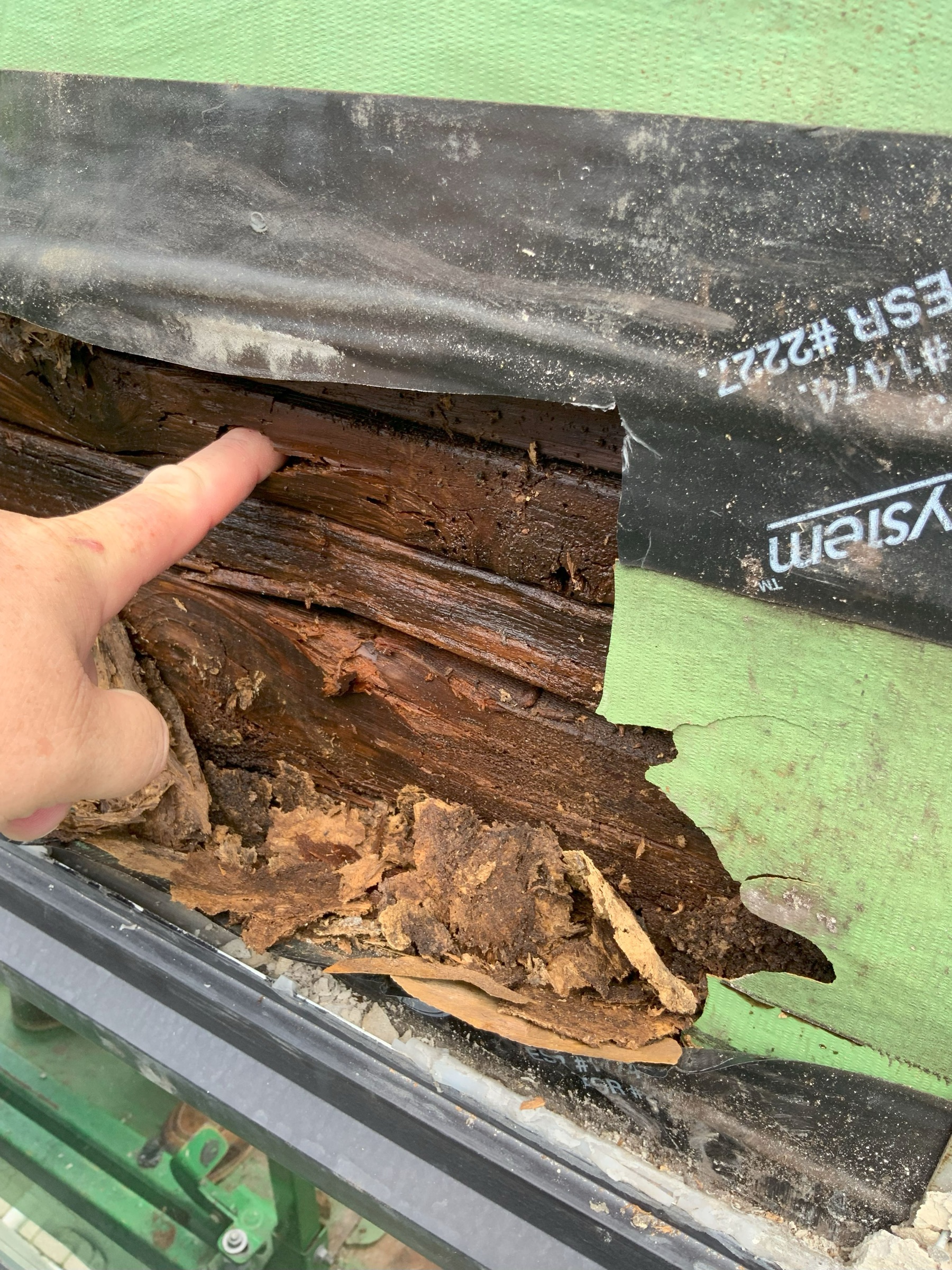
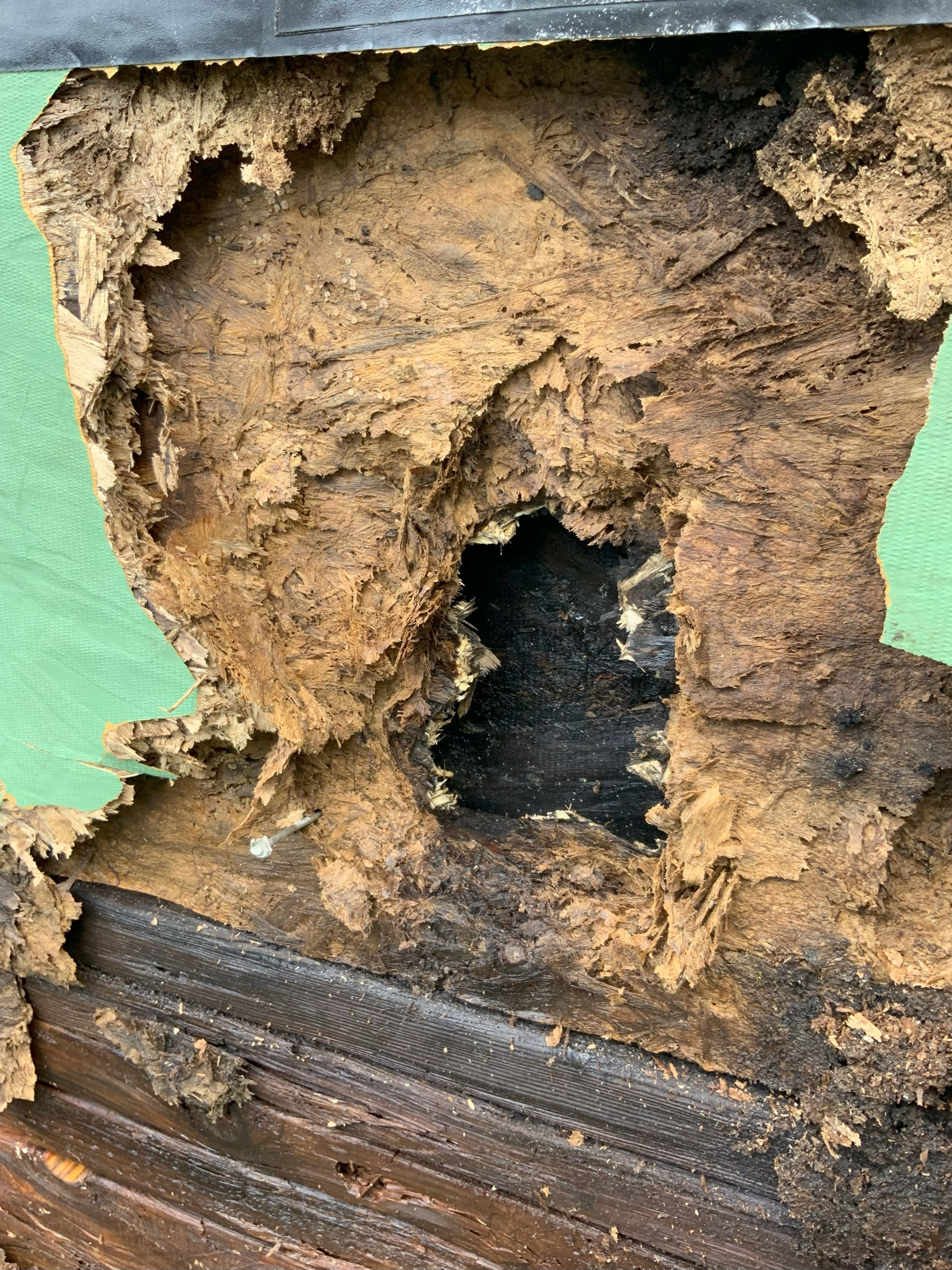
It’s a fair question, especially given how often we see ZIP-related failures in the field (and how frequently our case studies feature photos of ZIP panels that have turned to oatmeal after prolonged moisture exposure – scroll to the bottom of this article for our hall of shame pics). But like most building science questions, the answer is more nuanced than a simple yes or no.
ZIP System sheathing is everywhere. Even folks who have zero construction background are probably familiar with its dazzling green color displayed on job sites across the county. It promises a “two-for-one” solution by combining a structural OSB panel with an integrated water-resistive barrier (WRB) – kind of like a 2-in-1 shampoo that claims to wash and condition in one step. The idea is appealing: save time, reduce labor, and minimize opportunities for installation errors.
But in practice, things don’t always go so smoothly. Much like 2-in-1 shampoos, ZIP sheathing can get the job done—but often at the expense of other performance metrics. It’s not that the product is inherently “bad,” but it demands careful detailing, diligent installation, and an understanding of its limitations. Without those, what’s meant to be a streamlined system can end up just being a soggy, expensive mess.
The Case Against ZIP: What Goes Wrong
ZIP failures are common – not necessarily because the product is fundamentally flawed, but because it is frequently misused. Here are some of the most common issues we encounter:
- Insufficient Cladding System Drainage: The quicker water can get back out of your wall to the building exterior, the less chance of leakage or damage. It’s simple really – a clear, dedicated drainage plane behind cladding can do wonders, but is way too often neglected. Considering it’s actually quite hard to go wrong with back vented and drained cladding, why do we so often end up with cladding installed tight to sheathing?
- Improper Sealing at Seams: The ZIP system relies heavily on correctly installed tape or fluid-applied sealant at seams and fasteners to create a continuous water barrier. If installers don’t apply enough pressure when rolling tape, skip rolling altogether, or install tape onto dirty surfaces, the adhesion may fail over time, and all the “two-for-one” advantages are lost.
- Inadequate Integration With Flashing and Roofing: We often see poor transitions at windows, doors, and roof-wall interfaces. If the WRB isn’t properly tied into other waterproofing layers for continuity, you can’t rely on ZIP to perform as a complete water barrier.
- OSB’s Moisture Sensitivity: ZIP panels are OSB, which swells and degrades and turns to mush if allowed to remain wet. If there’s a delay in cladding installation, poor site drainage, or prolonged exposure, the panels can suffer permanent damage.
- Blind Reliance on Manufacturer Claims: ZIP is often marketed as a magic bullet: sheathing and WRB in one. But this oversimplifies the importance of detailing, sequencing, and quality control. Builders may assume ZIP “takes care of everything” and forgo best practices.
The Case for ZIP: Why It’s Not Going Anywhere
Despite its pitfalls, ZIP is here to stay – and it’s not all bad. Sometimes a 2-in-1 shampoo is just practical, and we don’t blame anyone for seeking out a little more simplicity in their lives (and their buildings).
- Speed and Labor Savings: In production construction, time is money. ZIP allows for rapid enclosure of a structure, especially in areas with limited skilled labor.
- Integrated System with Tested Components: ZIP offers a complete set of system components (including tapes, liquid flashings, and compatible sealants) that are tested for compatibility. When used together and installed per spec, the system can perform well. ZIP insulated sheathing panels are also available which can provide the benefits of continuous insulation which may not be otherwise practical in residential construction.
- Code Recognition and Market Acceptance: ZIP is approved for use as a structural panel and WRB, and inspectors and designers are comfortable with it (and apparently put at ease at the sight of the familiar green). It’s commonly specified and easy to source.
Key Components for ZIP Success
If you’re going to use ZIP sheathing, here’s what we recommend to increase your chances of long-term durability:
- Follow the Manufacturer’s Instructions – Exactly: Read the ZIP installation manual, and then read it again (Please. We beg you). Roll the tape. Use the right products at transitions. Don’t cut corners.
- Inspect as You Go: Builders should implement jobsite quality control, particularly around tape adhesion, flashing details, penetrations (including simple fasteners like nails), and panel exposure times. Don’t be afraid to poke at seams to evaluate adhesion. Be a stickler about overdriven nails and all the other “little things.”
- Don’t Treat ZIP as a One-Size-Fits-All WRB: ZIP may be suitable in some assemblies but not others. It doesn’t perform the same as a fully ventilated rainscreen or a fluid-applied membrane in high-performance envelopes.
- Consider Supplemental Detailing: In critical areas (such as parapets, cantilevers, or low-slope transitions) it often makes sense to add redundant layers or use additional flashing products. Consider means to provide a dedicated drainage plane between cladding and Zip sheathing.
- Protect It During Construction: Minimize UV exposure and standing water. Get cladding on as soon as possible. OSB doesn’t forgive prolonged wetting (as much as we love to make jokes about “oatmeal sheathing,” it really is a shame to see it so often in the field).
So… Is ZIP Sheathing Bad?
Not really, but it’s also not a miracle product. ZIP can absolutely work well in the right hands and under the right conditions, but it’s not going to cover for rushed installs, skipped steps, or wishful thinking (see below for our proof!). In the right hands, ZIP can be a practical choice that gets the job done. But if you’re aiming for a high-performance envelope, dealing with demanding conditions, or just want something a little more pampering for your building – well, maybe it’s time to splurge on the full shampoo and conditioner set.
At the end of the day, ZIP isn’t bad, it just isn’t magic. And like any good haircare routine (or wall assembly), success depends on the prep, the products, the execution, and not skipping steps.
Join our growing tribe of building nerds and sign up for the best newsletter in AEC. Back of the Envelope delivers helpful info of immediate practical importance.
Talk to a building envelope consultant
We help owners, design teams, and attorneys think through roofing, commissioning, and litigation questions. Tell us about your project and we’ll point you in the right direction.
Schedule a consultation